Commercial plaster programmes differ from single-home work in scale, repetition and calendar pressure. A fifty-unit townhouse row requires identical finish across every unit, released in waves as framing completes. A retail fit-out may demand after-hours ceiling access and Level 5 in customer zones only. Office refurbishments add fire-rated corridor walls with certifier hold points.
- ScheduleZone release tied to framing and inspections
- ConsistencySame lead setter across repeated units
- VariationsBulkhead changes after hang are scoped separately
Successful programmes start with a lining schedule — which zones release when, which units share layouts, and where fire or acoustic ratings apply. Labour is crewed to maintain daily output without quality drop. The same lead setter across repeated units prevents profile and finish drift between lot 1 and lot 50.
Communication with builders uses weekly progress against programme. Delays from other trades are flagged early so painter and flooring dates adjust realistically. Stock on site is managed to avoid board shortages mid-release without hoarding excess that blocks access.
Canperty undertakes commercial programmes across Clayton, Box Hill, Mount Waverley and wider eastern Melbourne. Send programme drawings and target handover dates for a scope-aligned quote. Phone 0422 272 672 for fit-out enquiries with tight tenancy deadlines.
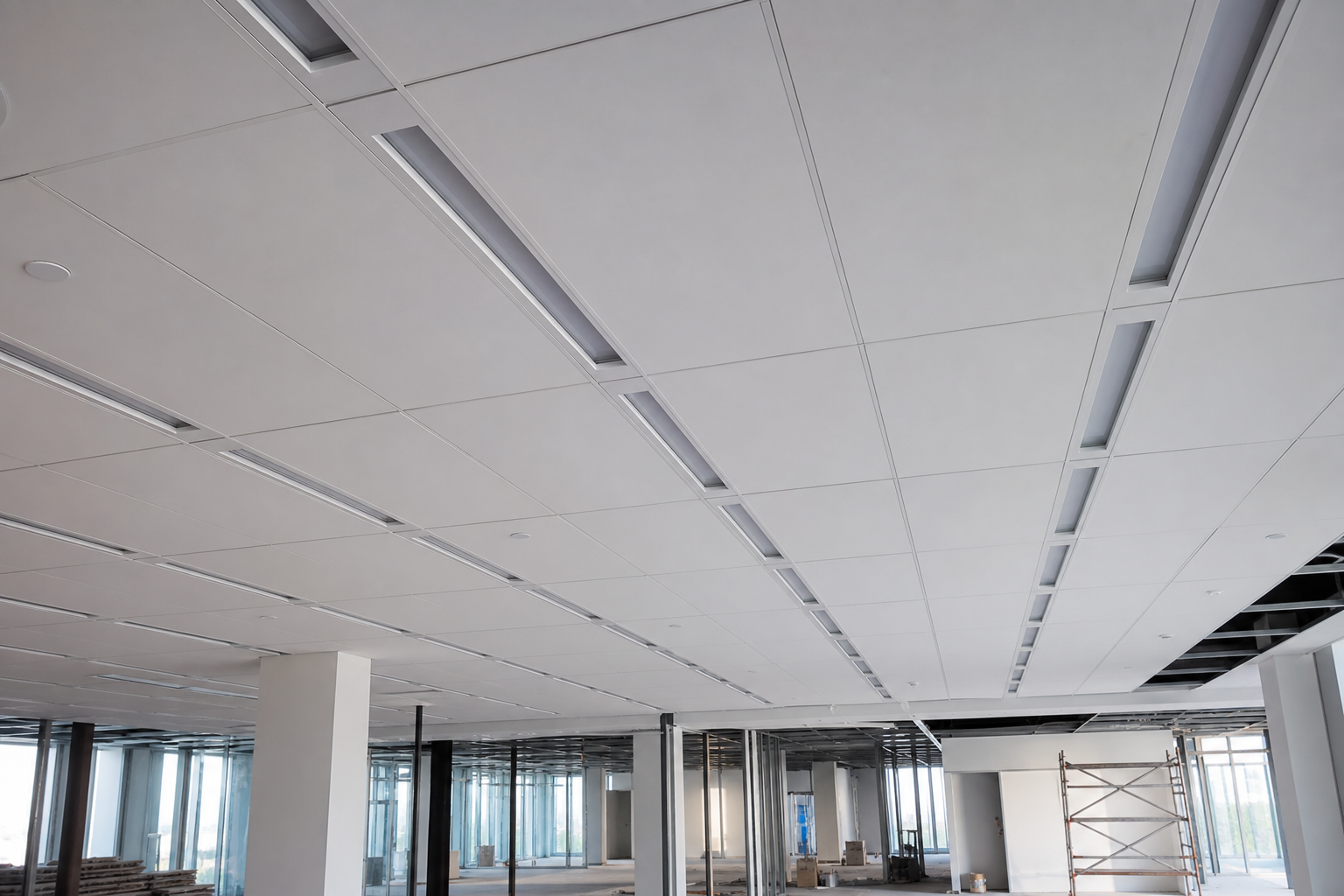
Fifty identical units need the same setter standard — not fifty first-time interpretations of the detail.
Labour stability matters on long commercial programmes. Rotating unfamiliar setters between units introduces profile and texture drift painters detect immediately. We assign consistent leads unless programme gaps force crew change — and we overlap crews during handover when change is unavoidable.
Material logistics on multi-storey fit-outs need lift booking and dock access windows. Board deliveries blocking fire stairs are unacceptable on occupied buildings. We coordinate drops with facility managers and stage board by floor rather than bulk dumping at ground level.
Variation control on commercial work is strict — bulkhead additions after ceiling hang are variations, not absorbed favours. Builders appreciate early RFIs on shop drawing conflicts before hang rather than field fixes that delay paint.
Make-good scope at lease end is quoted against exit condition reports. We distinguish fair wear from impact damage and document pre-existing defects before commencing strip-out. Retail landlords often specify Level 4 minimum for handback — we confirm before pricing.
Frequently Asked Questions
Why does labour stability matter on long programmes?
Rotating unfamiliar setters between units introduces profile and sand texture drift visible to painters immediately across identical rooms.
How should board be staged on occupied multi-storey sites?
Floor-by-floor drops coordinated with facility managers — bulk dumping at ground level blocking fire stairs is unacceptable on occupied buildings.
Are bulkhead additions after hang absorbed in base price?
No. Post-hang bulkhead changes are variations. RFIs on shop drawing conflicts before hang reduce field delays.