Whole-home skim coat programmes succeed when structural and services decisions are finalised first. Relocating a kitchen or bathroom after skim coating means cutting new holes through finished surfaces — wasted work and extra cost. Before committing to levelling, confirm electrical switch positions, downlight layouts, plumbing wall chases and door frame heights.
- Freeze dateNo layout moves after levelling starts
- ServicesElectrical and plumbing positions signed off
- Occupied homesRoom-by-room sequencing and dust control
Asbestos and lead paint assessments in pre-1980 homes should precede aggressive sanding or demolition. We need stable substrates — loose plaster must be stripped or secured, and ongoing structural movement should be investigated before cosmetic levelling. Hairline cracks at cornice junctions may be acceptable; stepped cracks through brick require engineer input.
Drying conditions affect programme. Winter renovations with limited heating extend compound dry times. We sequence rooms and may recommend temporary heat or dehumidification for large skim areas. Occupied homes need dust control and access planning — we work room by room when possible.
Paint colour and sheen choices should be known before finish level sign-off. Dark gloss in a skim-coated hall demands Level 5; white matt may suffice at Level 4. Aligning paint specification with plaster finish prevents disputes at handover. Canperty provides renovation planning calls during quote stage for Camberwell, Canterbury and similar established suburbs.
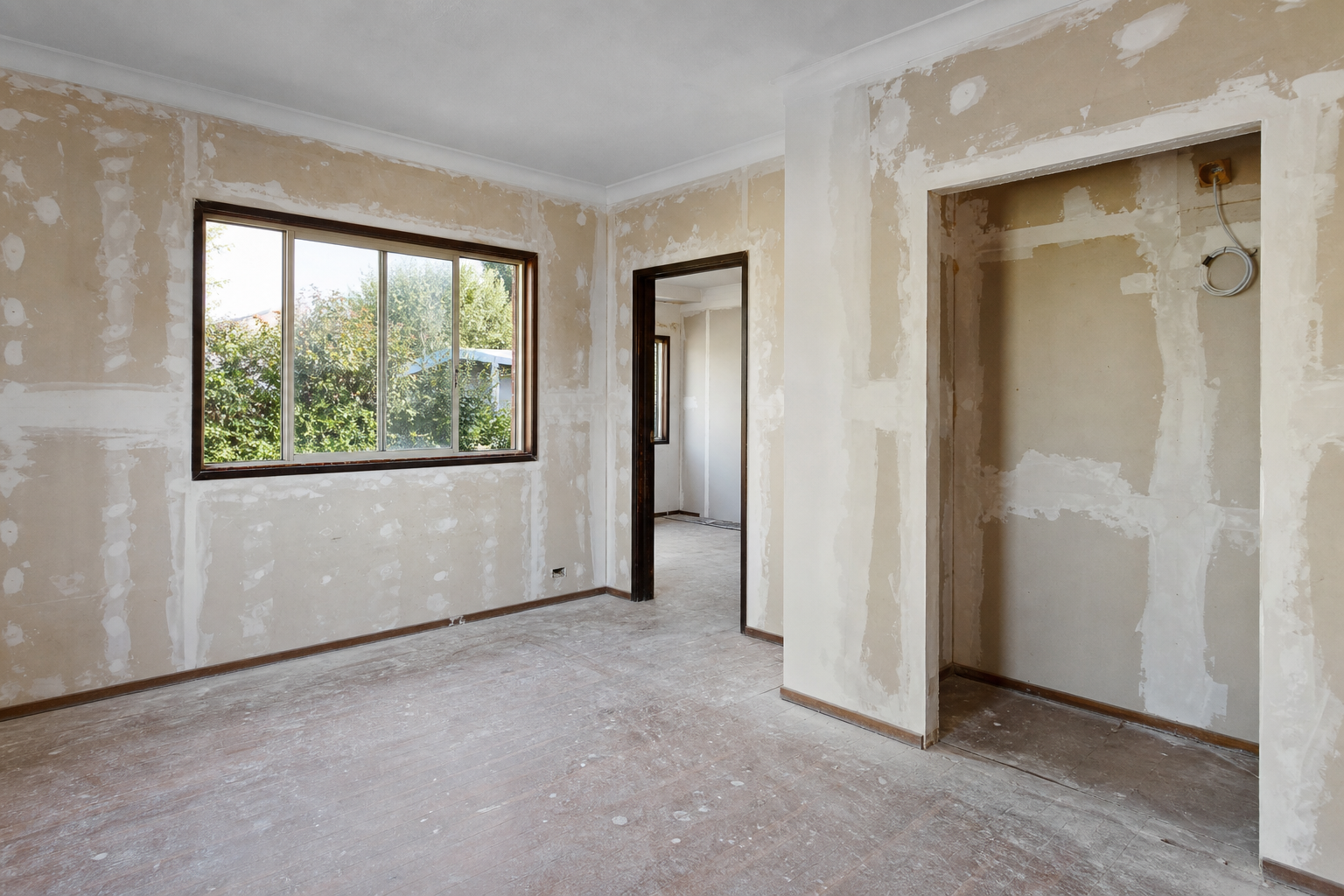
A skim coat over the wrong layout is an expensive sketch — freeze the plan first.
Electrical and data plans should be final before skim — chasing after levelling destroys flat planes. Kitchen designers should confirm bulkhead and cabinet heights that affect ceiling bulkhead returns. Bathroom renovators should confirm niche, hob and screen positions before wet area board is sealed.
Floor level changes between old and new sections create scribe complexity at skirting and door heads. Resolving flooring build-ups on paper prevents ad hoc scribing that looks amateur after paint. Heritage homes may need architrave removal and reinstatement — sequence this before skim, not after.
We advise a single renovation freeze date after which no layout changes occur without variation. Owners understandably change minds; each change after skim has disproportionate cost. A written freeze protects both parties from frustration at handover.
Dust containment in occupied homes is part of planning — plastic isolation, HEPA vacuums on sand days, and shoe covers at zone boundaries. Renovation plaster is as much logistics as technique in lived-in properties.
Frequently Asked Questions
What should be finalised before whole-home levelling?
Electrical switch and downlight positions, plumbing chases, door frame heights, kitchen and bathroom layouts, and flooring build-ups. Layout changes after skim cut through finished planes.
Why is a renovation freeze date important?
Each layout change after levelling has disproportionate cost. A written freeze protects both parties from mid-programme scope drift.
Do pre-1980 homes need asbestos assessment before skim?
Aggressive sanding or demolition in pre-1980 homes should follow asbestos and lead paint assessment before levelling mobilises.