Wall cracks alarm homeowners but not all require structural remediation. Fine cracks at plasterboard joints or cornice junctions often follow seasonal timber movement and can be repaired with tape, compound and sand — provided movement has stabilised. Recurring cracks at the same location after repair suggest ongoing stress needing investigation.
- Hairline junctionOften seasonal — flexible reinforcement
- Stepped brickFooting or lintel review before cosmetic fix
- Water stainSource dry and remediated before re-board
Stepped cracks following mortar joints in brick veneer may indicate footing movement or lintel issues. Diagonal cracks from window corners can relate to frame settlement. These patterns warrant engineer assessment before cosmetic plaster repair alone. Plastering over unresolved movement wastes repair cost when cracks reopen within months.
Water stains with cracking indicate moisture source correction first — roof leaks, failed waterproofing or plumbing — before board replacement and set. Insurance repairs need documentation and drying verification. Canperty provides repair scope after moisture remediation, not before.
For crack assessment on Oakleigh, Glen Waverley and eastern suburb homes, send photos with crack width, location and history (new vs recurring). We advise proportionate repair or recommend engineer referral when patterns suggest structural causes beyond plaster scope.
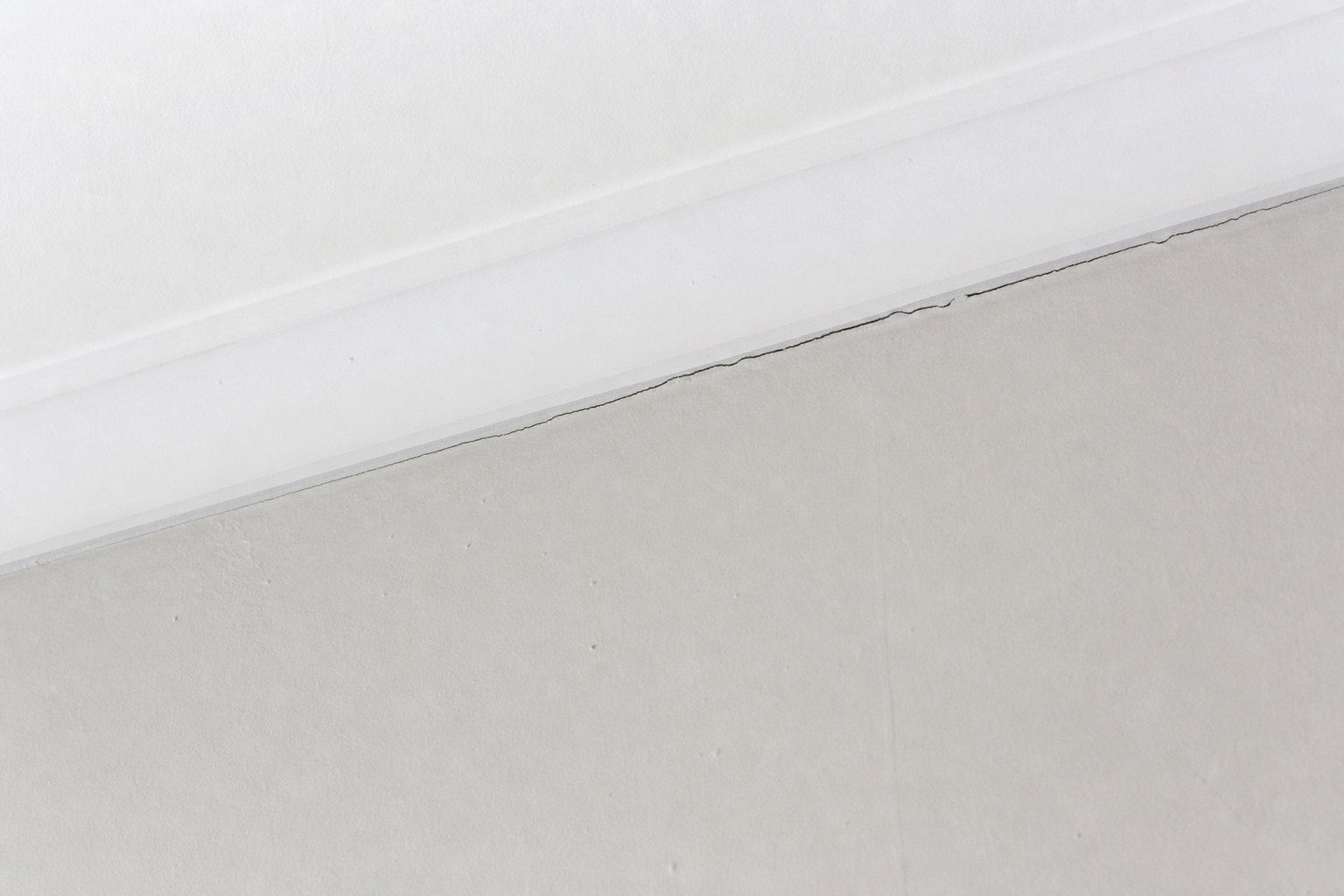
The third reopening at the same crack coordinate is a signal — not bad luck.
Width matters — hairline at junction is normal seasonal movement; 3 mm stepped crack in brick veneer is not. Measure with feeler gauge or coin reference in photos. Location matters — internal corners at frame heads differ from mid-panel cracks suggesting frame deflection.
Previous repair history matters — third reopening at same coordinate means plaster alone will fail again. We document pattern for owners considering engineer assessment before spending on cosmetic cycles. Insurance assessors want cause corrected before approving plaster component.
Repair technique follows diagnosis — mesh and flexible compound at stable junctions; wider cut-out and re-sheet where board has delaminated; no repair until moisture source eliminated when stains present. Matching texture on sand-finish heritage walls may need specialist texture coat after Level 4 patch.
We flag crack patterns seen regularly across eastern Melbourne housing stock and recommend proportionate repair or engineer referral when warranted.
Frequently Asked Questions
What crack width needs engineer review?
Hairline junction cracks are often seasonal. Stepped cracks of 2–3 mm through brick veneer or recurring cracks at the same coordinate after prior repair warrant footing or lintel assessment.
Should insurance plaster proceed before leak repair?
Moisture source must be corrected and framing dry before re-boarding. Insurers typically require cause remediated before approving plaster component.
Can mesh fix recurring structural movement?
Third reopening at the same coordinate signals ongoing stress — mesh and compound alone will fail again without addressing movement or engineer-directed remediation.